
-
French CCE F2 Pants
Regular price From €15,00 EURRegular price -
French Daguet F2 Pants
Regular price €20,00 EURRegular price -

 Sold out
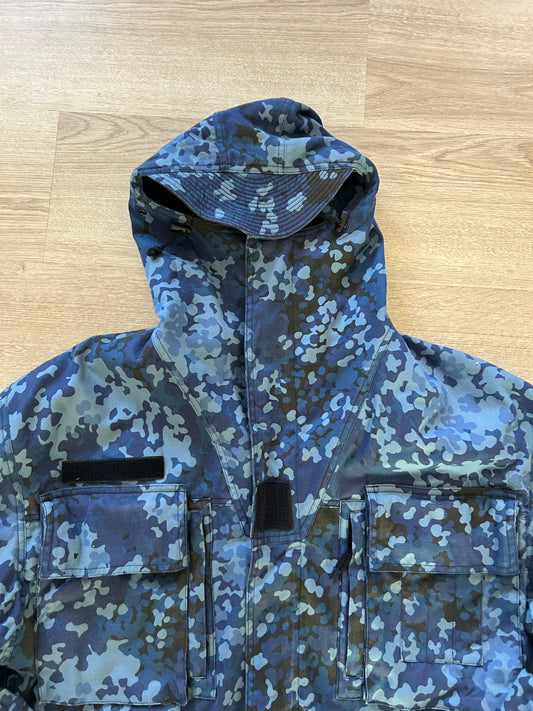
French FORAD Jacket - Ultra Rare
Regular price €330,00 EURRegular price -

 Sold out
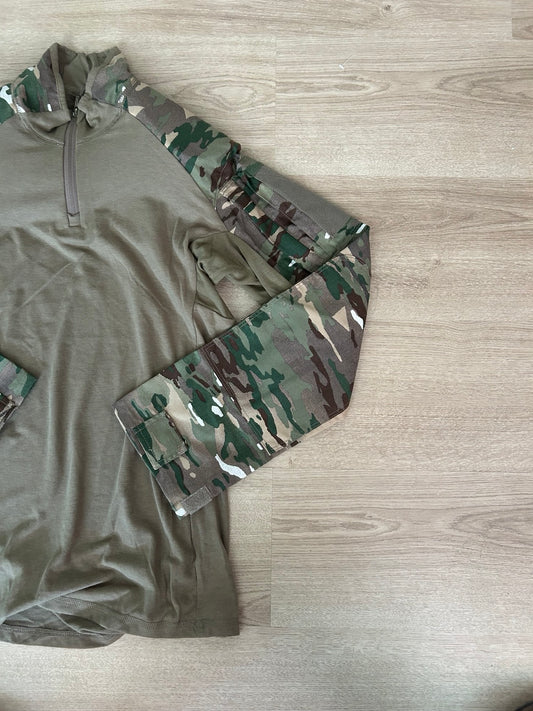
French BME UBAC
Regular price €70,00 EURRegular price -

 Sold out
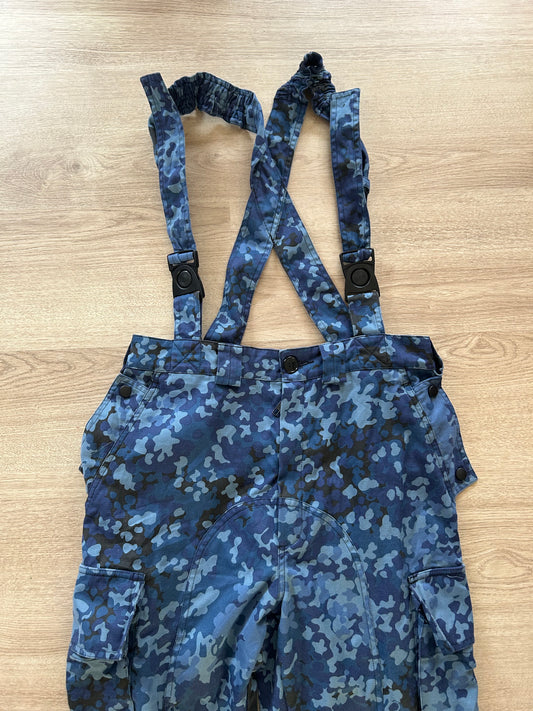
French FORAD Pants - Ultra Rare
Regular price €250,00 EURRegular price -
French CCE UBAC
Regular price From €25,00 EURRegular price -
French CCE Shirt
Regular price From €10,00 EURRegular price -
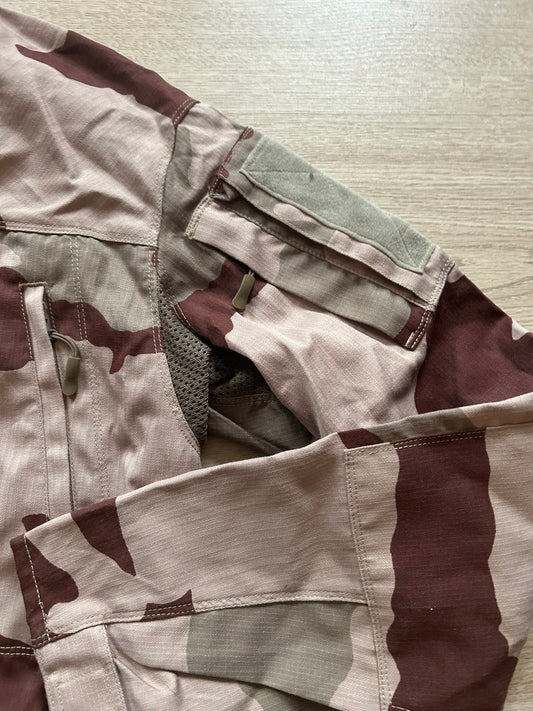
French Daguet UBAC
Regular price From €10,00 EURRegular price -

 Sold out
French Daguet F3 Shirt
Regular price €30,00 EURRegular price -
French Daguet Desert Pants with Suspenders
Regular price €50,00 EURRegular price -
French Daguet Desert Pants
Regular price From €10,00 EURRegular price -

 Sold out
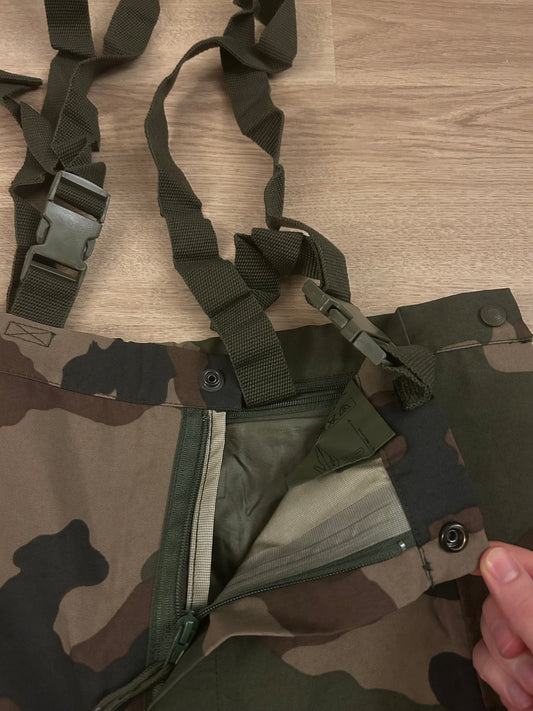
French CE Hardshell (Over)pants
Regular price €40,00 EURRegular price -
French CE Jacket - New
Regular price €45,00 EURRegular price -

 Sold out
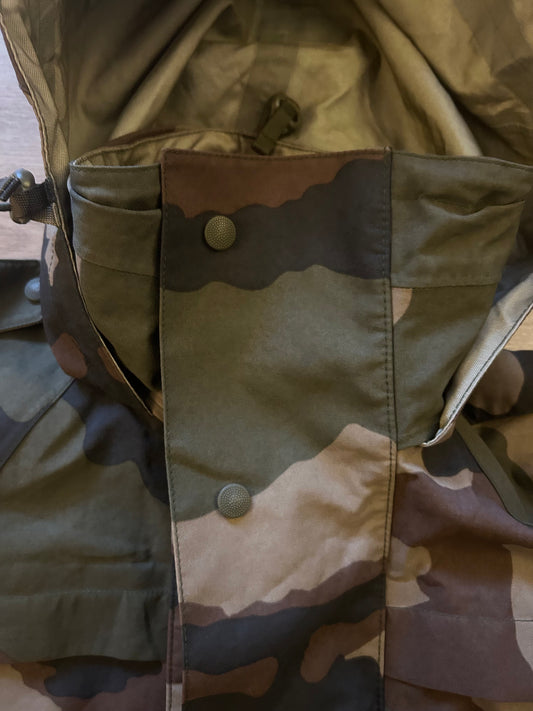
French CE Hardshell Jacket
Regular price €40,00 EURRegular price -
French Tundra Pants Arktis
Regular price €90,00 EURRegular price -
French CCE Pants F3
Regular price From €10,00 EURRegular price -
French Daguet Utility/Work Vest
Regular price €10,00 EURRegular price -
French CCE Jacket - Used
Regular price €35,00 EURRegular price -
French Lizard Jacket
Regular price From €65,00 EURRegular price -
French Lizard Shirt with Insignia - Small
Regular price €90,00 EURRegular price

















Buy French Surplus and Different Camo Patterns
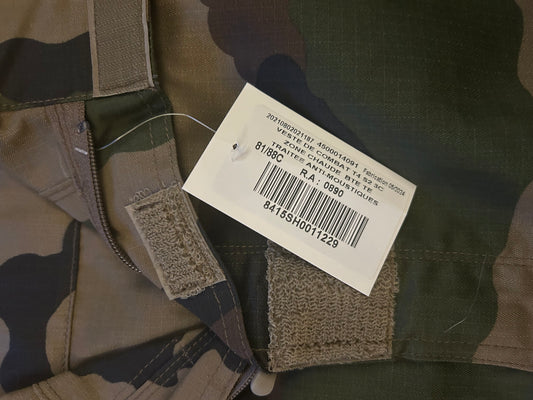
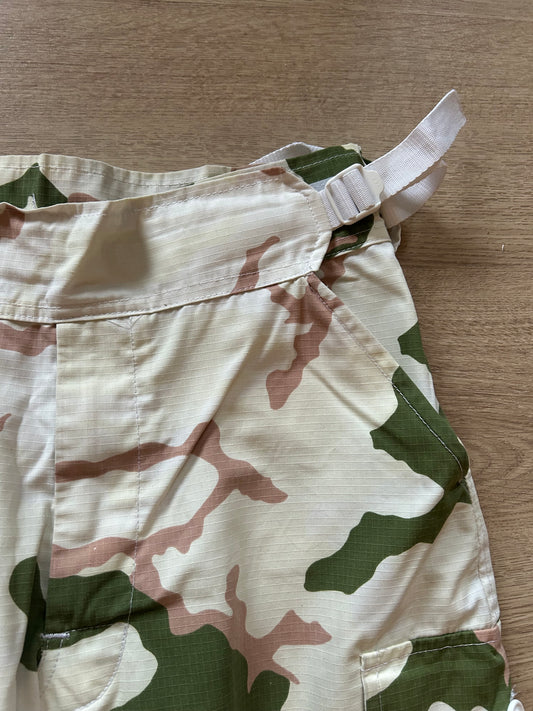
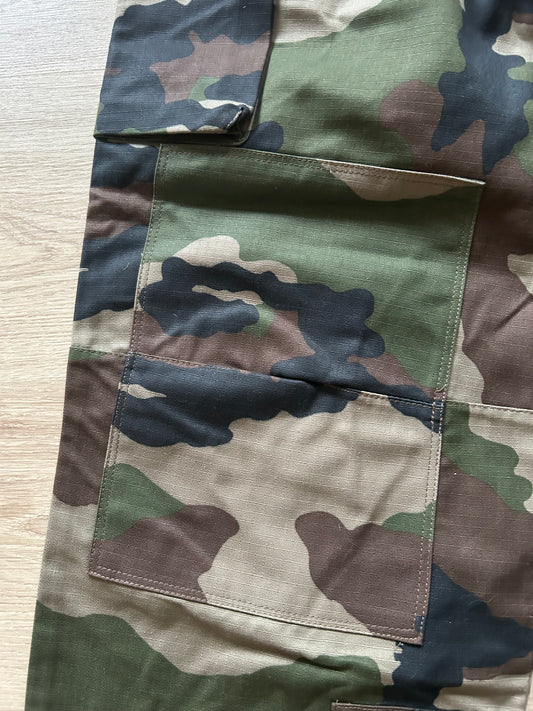
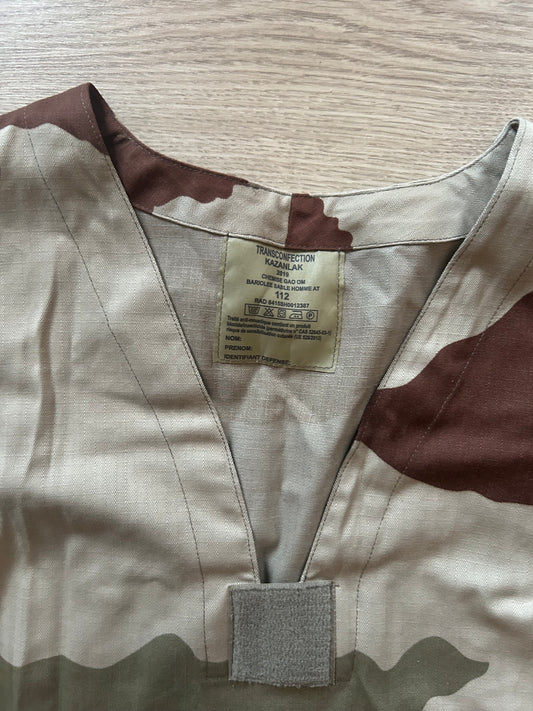
From the late 1940s onward, France various camouflage patterns shaped by jungle warfare, European woodland and later special operations abroad. Instead of reinventing its designs repeatedly, France refined them generation by generation, creating a distinctive visual evolution from the early Lizard stripes to today’s multi environment systems.
TAP47 and TAP47/52 Lizard Patterns
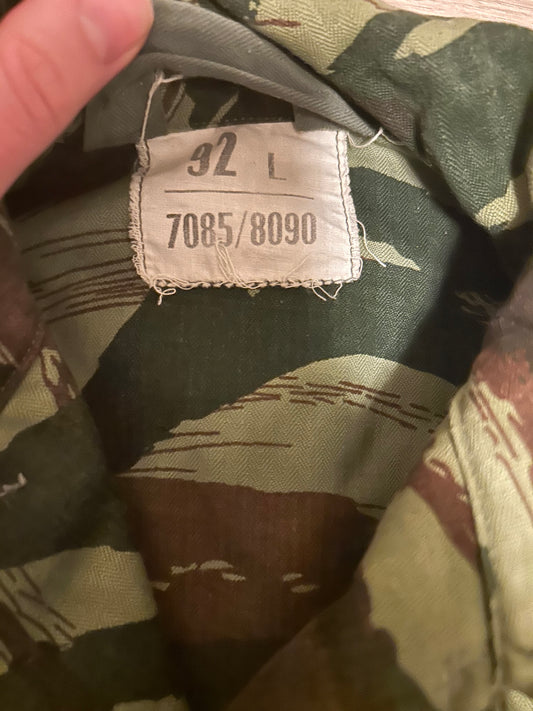
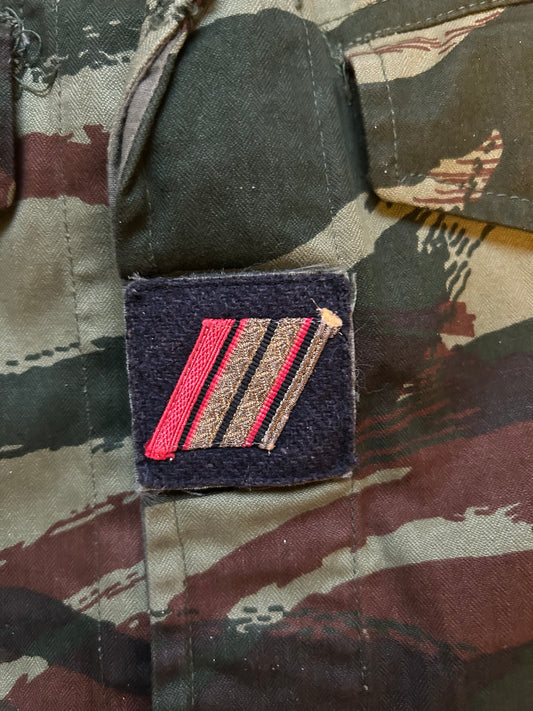
France’s postwar camouflage identity began with the TAP47 family, issued primarily to airborne units in Indochina. TAP47 consisted of narrow green and brown brushstrokes on a khaki base, arranged in horizontal bands that broke up the silhouette in dense tropical vegetation. The improved TAP47/52 variant adjusted the tones and density of these stripes and became the iconic French camouflage of the 1950s and early 1960s. It was worn in Indochina, Algeria and by airborne and Legion units well after the conflicts ended, and later inspired Portuguese and several African derivatives.
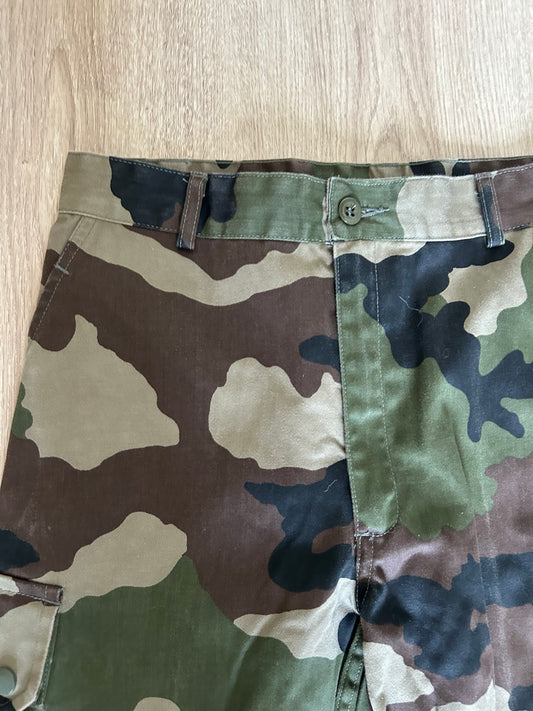
CCE Woodland Pattern (Camouflage Centre Europe)
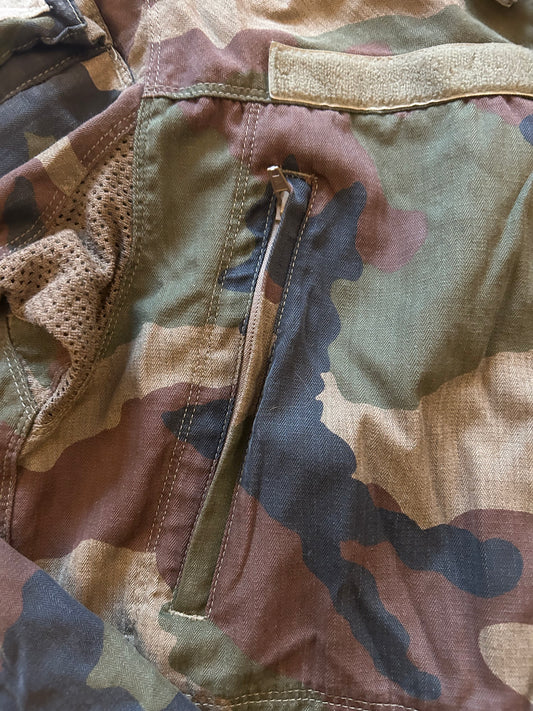
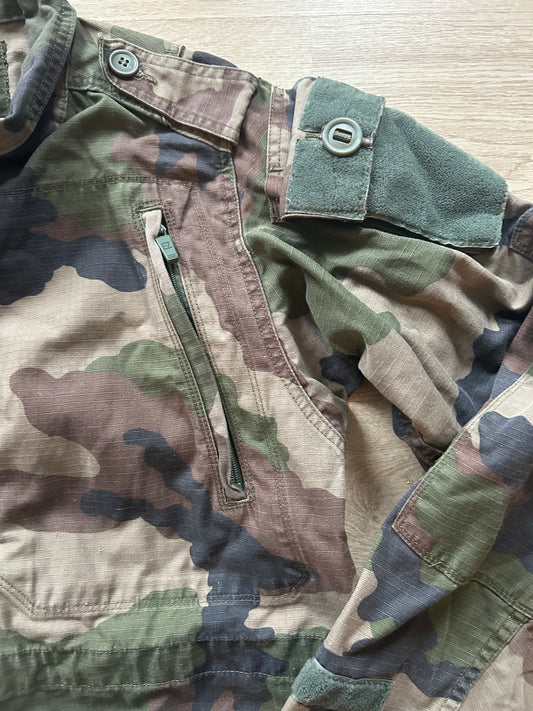
Introduced in the early 1990s, CCE marked France’s first fully standardized camouflage for the entire Army. Using large organic shapes in dark green, medium green, brown and black on a light green base, CCE was optimized for European temperate woodland. It replaced the long era of olive uniforms and remaining Lizard stocks and became ubiquitous across all branches and uniform generations, including the FELIN and F3 systems. For over thirty years it remained the visual signature of the French Army.
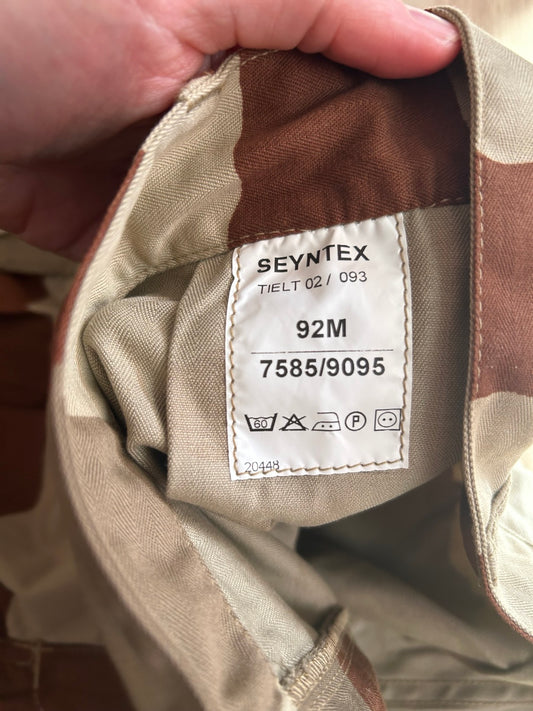
Daguet Desert Pattern
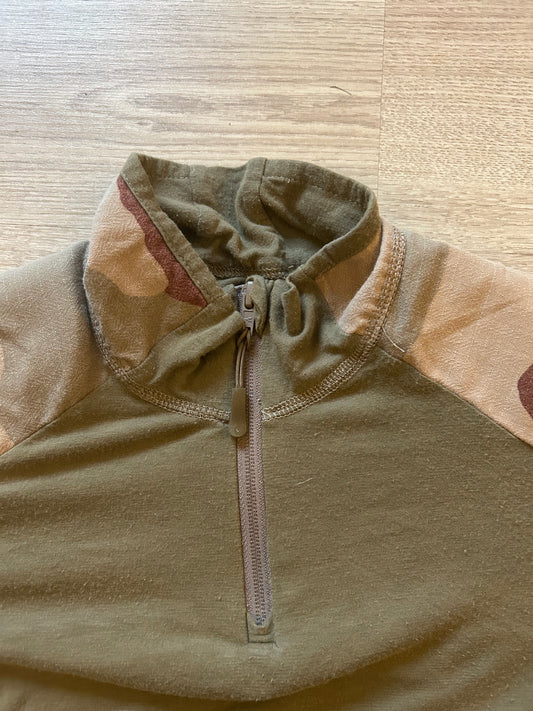
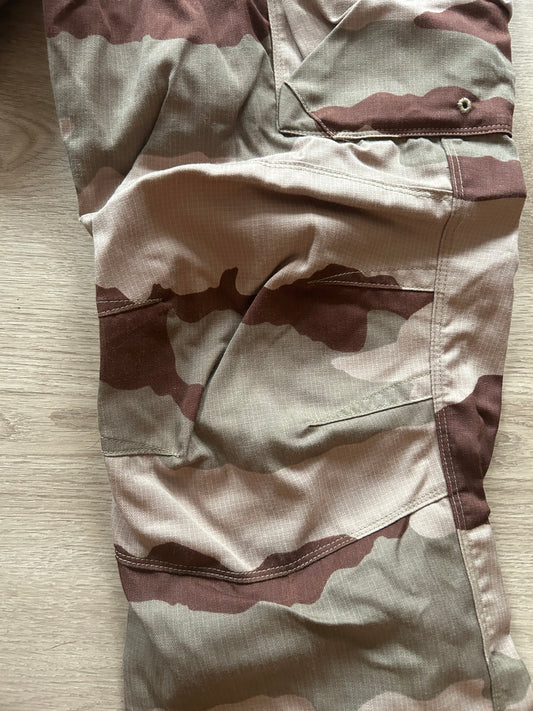
Developed rapidly for Operation Daguet during the 1991 Gulf War, the Daguet camouflage provided a dedicated French desert pattern. With its sandy base and soft tan and brown curves, it maintained the French preference for flowing shapes. Daguet became the standard for operations in the Middle East and the Sahel for decades, serving as the arid counterpart to CCE.
CCE Winter Variant Zone Enneigée (ZE)
Alongside its woodland form, CCE received a cold weather variant known as Zone Enneigée (ZE). This pattern lightens the original palette dramatically into white and pale grey, retaining faint simplified shapes that echo the CCE layout. ZE was developed for alpine and high altitude environments where plain white oversuits provided insufficient shape disruption. It offered more realistic concealment in snowfields and mixed winter terrain.
Arktis Tundra Patterns for Special Missions
Although never adopted as general issue, French special forces and certain reconnaissance or mountain units employed commercial Arktis tundra and mountain patterns during specific operations. These patterns used muted greens, browns and greys arranged for northern climates, rocky terrain and transitional snow cover. Their use remained limited, mission driven and generally tied to restricted procurements rather than formal adoption.
BME – Bariolage Multi Environnement (Current Standard Issue)
The most recent and now officially standard French camouflage is the BME (Bariolage Multi Environnement) pattern. Developed by the DGA and STAT and selected after extensive trials, BME began formal issue in 2024 and is being fully rolled out through 2025. It replaces both CCE and Daguet as France’s unified multi environment camouflage system.
BME uses a denser, more textured arrangement of earth tones, greens and intermediate shades designed to function effectively across European woodland, scrubland, semi arid environments and urban terrain. It represents a shift toward a single universal camouflage for global deployments, aligning with modern operational requirements. With its introduction across the new F3 generation of uniforms, BME now forms the core visual identity of the contemporary French Army.